11 Valid Reasons Why Secondhand Fashion Is Becoming the Coolest Trend Online
Most fashion brands now claim to be sustainable. Few actually are. The gap between a recycled hangtag and a genuinely ethical supply chain is enormous, and most marketing teams know exactly how to blur it.
Here is how to cut through the noise.
Start With the Certifications, Not the Claims
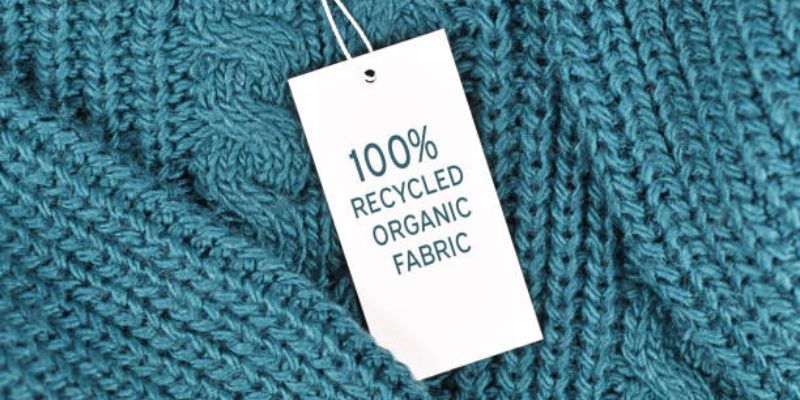
Anyone can write "eco-friendly" on a website. Certifications are harder to fake. Look for GOTS (Global Organic Textile Standard), Bluesign, Fair Trade Certified, or B Corp status. These require third-party audits. A brand that leads with vague language like "conscious collection" but shows no certifiable evidence is almost always greenwashing.
GOTS, for instance, covers the entire textile supply chain, from raw fiber to finished product [1]. A brand that carries it has passed independent inspection, not just written a sustainability pledge.
Check Whether the Brand Publishes a Supply Chain Map
Truly sustainable fashion brands name their factories. They tell you which country the cotton was grown in, where it was spun, where it was cut and sewn. Everlane made this famous. Patagonia does it. Most fast fashion brands do not, because transparency exposes problems they would rather not address.
If a brand's website has a sustainability page but no supplier list, that absence is information. Greenwashing thrives in opacity.
Read the Sustainability Report, If One Exists
Some brands publish annual sustainability or impact reports. These can be substantive or completely hollow. The useful ones include specific targets, current progress data, and third-party verification. The hollow ones repeat aspirational language with no numbers attached.
Look for concrete commitments: "We will reduce Scope 3 emissions by 42% by 2030" means something. "We are committed to a greener future" means nothing. The more measurable the language, the more credible the brand.
Look at the Volume of New Styles Released Per Year
Zara releases approximately 10,000 new styles per year [2]. H&M releases thousands more. No brand producing at that volume can credibly claim sustainable fashion practices, because overproduction is itself the core problem. A brand that launches a "sustainable line" while simultaneously scaling its main collection is not addressing the issue. It is offsetting it with marketing.
Genuinely sustainable fashion brands tend to release fewer styles, produce in smaller runs, and replenish rather than trend-chase.
Examine the Materials, Not Just the Buzzwords
"Recycled," "natural," and "organic" are not interchangeable, and not all of them are automatically better. Recycled polyester still sheds microplastics in every wash. Conventional viscose is derived from trees but processed with chemicals harmful to waterways. Organic cotton uses far less pesticide than conventional cotton but still requires enormous volumes of water.
The honest brands explain the trade-offs. They say, for example, that they use recycled nylon because virgin nylon production has a higher carbon cost, even though recycled nylon still has limitations. That kind of nuance is a green flag. Brands that only list positives are almost certainly leaving something out.
Check Whether the Brand Offers Repair or Take-Back Programs
A brand serious about sustainability does not just think about how a garment is made. It thinks about what happens after you buy it. Repair programs, take-back schemes, and resale platforms all signal that a brand views its products as long-term assets rather than disposable units.
Nudie Jeans offers free repairs for life on every pair sold. Patagonia has run its Worn Wear program since 2013, reselling and repairing used gear. These are operational commitments with real costs attached. A brand that offers none of these options but still calls itself sustainable is skipping the part of the lifecycle that matters most to landfill reduction.
Check the Pricing Against the Cost of Ethical Production
A t-shirt that retails for $9 cannot be made ethically. The math does not work. When you account for raw material costs, living wages, factory overhead, shipping, and retail margin, a genuinely fairly-made cotton t-shirt typically costs a minimum of $30 to $40 at retail, often more.
If a brand markets itself as sustainable but prices its goods at fast fashion levels, ask where the savings are coming from. Usually, it is wages and environmental compliance.
Look for Specific Language on Worker Pay
Many brands say they pay "fair wages." Far fewer say what those wages actually are. The best sustainable fashion brands publish wage data, benchmark it against living wage standards in each country of production, and commit to closing gaps on a named timeline.
The Fair Wage Network and the Clean Clothes Campaign publish reports on which brands meet living wage thresholds. Cross-referencing a brand's self-described ethics against these reports takes about five minutes and reveals a great deal.
Investigate How the Brand Handles Unsold Inventory
One of the most credible signals of genuine sustainability commitment is what a brand does with unsold stock. Greenwashing brands often incinerate or landfill excess inventory, a practice that drew major controversy when Burberry admitted to destroying $37 million worth of goods in 2018. Genuinely sustainable fashion brands typically donate, discount, repair, or compost unsold items.
Ask whether the brand publishes its inventory destruction rate. If no one knows the number, assume it is not good.
Check Whether the Brand Offers Repair or Take-Back Programs
A brand serious about sustainability does not just think about how a garment is made. It thinks about what happens after you buy it. Repair programs, take-back schemes, and resale platforms all signal that a brand views its products as long-term assets rather than disposable units.
Nudie Jeans offers free repairs for life on every pair sold. Patagonia has run its Worn Wear program since 2013, reselling and repairing used gear. These are operational commitments with real costs attached. A brand that offers none of these options but still calls itself sustainable is skipping the part of the lifecycle that matters most to landfill reduction.
Check if the Brand Has Signed Onto Industry Commitments
The UN Fashion Industry Charter for Climate Action, the Sustainable Apparel Coalition, and the Fashion Pact are real commitments with reporting requirements. They are not perfect, but brands that have signed on and submit annual progress updates are more credible than those that operate entirely outside accountability structures.
You can verify membership on the coalition websites directly. If a brand claims alignment with one of these frameworks but cannot produce membership documentation, that is a red flag for greenwashing.
Watch for Capsule Collections That Don't Reflect Core Practice
"Sustainable collection" language is one of the most common greenwashing tactics in fashion right now. A major brand releases 200 styles per month and devotes a small section of its website to an "eco edit" made with 20% recycled fiber. The eco edit gets the press coverage. The other 190 styles get quietly produced under the same conditions as always.
This technique is sometimes called "selective marketing." The sustainable fashion community has a harder term for it. Judge a brand by what the majority of its production looks like, not by the exception it chose to publicize.
Look at How Long the Brand Has Been Talking About This
Many brands adopted sustainability language around 2019 or 2020, when consumer pressure on the topic peaked. That timing is worth noting. A brand that started publishing impact reports in 2015 and has year-on-year data to show is in a different category from a brand that added a green banner to its homepage in 2021 with no prior history of disclosure.
Longevity in sustainability reporting does not guarantee integrity, but it does make claims harder to dismiss.
Use Third-Party Tools to Verify Claims
Several independent platforms now rate brands against published sustainability criteria. Good On You rates thousands of brands on labor, environment, and animal welfare standards, pulling from audits, certifications, and disclosure quality. Remake's Brand Scorecard focuses on labor rights specifically. Neither is perfect, but both are considerably more rigorous than a brand's own marketing copy.
Good On You's five-star system, for instance, does not accept self-reported data without corroboration. A brand rated 4 or 5 stars has been verified against external evidence, not simply taken at its word.
Pay Attention to How a Brand Responds to Criticism
Greenwashing brands tend to go quiet, issue vague statements, or deflect when confronted with specific supply chain allegations. Genuinely sustainable fashion brands typically engage, publish follow-up information, and demonstrate what action they took.
When a workers' rights organization published findings about conditions in Shein's supplier factories in 2023 [3], the response from the brand was a denial followed by a brief audit announcement with no published results. That pattern is worth recognizing. Credible brands produce receipts.
Look at Packaging and Returns Policies Together
Sustainable packaging is the most superficial form of environmental responsibility, and brands know it makes a good impression. A box made from recycled cardboard is nice. It is also nearly irrelevant compared to the emissions footprint of the garments inside it.
More telling is the brand's returns policy. Free, frictionless returns encourage overordering and contribute significantly to transport emissions and landfill waste. Brands that charge for returns or invest in virtual fit technology are making a less photogenic but more substantive sustainability choice.
The Bottom Line on Spotting Greenwashing
Sustainable fashion is not a story told on a landing page. It is an operational reality visible in supplier lists, wage data, emissions reports, certification audits, and inventory practices. When a brand has the receipts, it shows them. When it does not, it writes copy instead.
Spend ten minutes on a brand's website looking for specifics rather than values statements. If you cannot find a factory name, a living wage benchmark, a certifying body, or a published progress report, you are most likely reading greenwashing. That ten minutes is the most practical tool you have.
References
[1] Global Organic Textile Standard – https://www.global-standard.org
[2] Remake Fashion Accountability Report – https://remake.world
[3] Clean Clothes Campaign – https://cleanclothes.org
Related Posts
How to Style Off-Shoulder Tops Outfit Ideas for Women’s Casual and Chic Looks
Polyester vs Cotton: Which Is More Sustainable?
12 Clothing Brands That Are Not Fast Fashion (Built To Last)

How To Repair Your Luxury Boots For Under $30 Instead Of Buying New
How To Spot Greenwashing In Fashion Ads Before You Waste Your Money